
Artificial Intelligence Transforms Brain Tumor Surgery: A Medical Milestone in London
August 28, 2026 · by Uday · 3 min read · 6 views
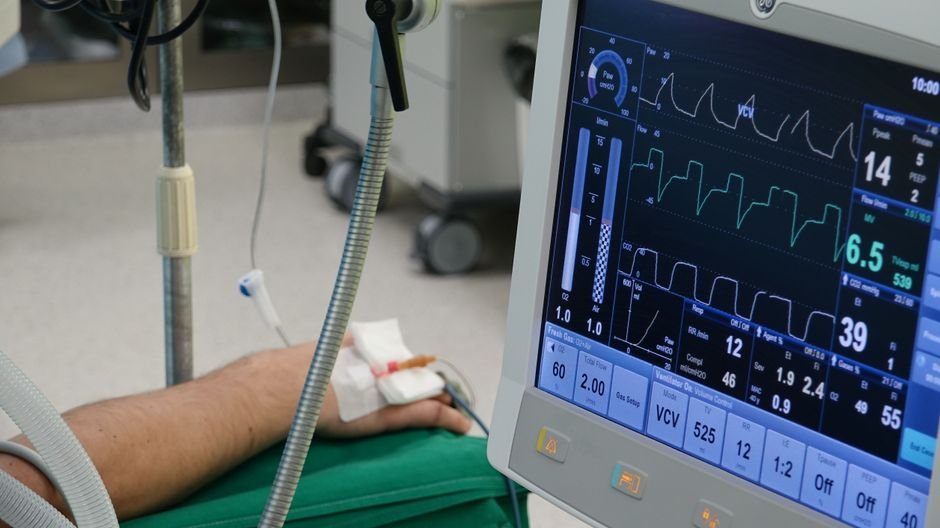
London surgeons have performed what health officials described as the first successful AI-assisted brain tumour operation, helping save a patient’s sight. This groundbreaking achievement represents a transformative moment in the history of neurosurgical medicine, demonstrating how artificial intelligence can enhance the precision and safety of one of medicine’s most delicate procedures.
The groundbreaking procedure took place in May at the National Hospital for Neurology and Neurosurgery (NHNN), which forms part of University College London Hospitals NHS Foundation Trust. Rhys Hibbert, 48, from Bedfordshire, was the first patient at UCLH to undergo surgery supported by the AI system, which runs on an NVIDIA Clara IGX platform designed to support real-time AI in medical device settings. The hospital has been using the technology as a research tool for some time, but the operation, which was conducted in May, marked the very first occasion it has been used on a live patient.
The complexity of this particular procedure underscores why AI support proved invaluable. The pituitary gland, blood vessels and nerves controlling vision are tightly packed together. Health officials said going a millimetre wrong could potentially result in blindness, stroke or death. The margin for error in such confined anatomical spaces is virtually nonexistent, making even the most experienced surgeons vulnerable to catastrophic outcomes.
The technology colour-codes important structures in the brain, helping surgeons identify tiny areas of anatomy during an operation. Rather than relying solely on pre-operative imaging scans, the AI analysed the live surgical video feed in real time, rather than using pre-surgery scans, to help the surgical team make more precise decisions by highlighting critical structures at the base of the brain. Surgeons retained full control throughout, with the AI colour-coding delicate anatomy in real time to guide them safely. This collaborative approach—where artificial intelligence serves as an intelligent assistant rather than replacing human expertise—ensures that seasoned surgical judgment remains central to the decision-making process.
Hibbert had initially been managed without surgery after being diagnosed in 2024, but his symptoms worsened, including severe hormone imbalance and problems with his vision. Within a week of surgery, he was able to walk independently without glasses or sticks and has since returned to work as a customer service manager. His rapid recovery and successful preservation of vision demonstrate the real-world impact of this technological advancement.
The implications of this achievement extend far beyond this single patient. By integrating AI technology into the operating theatre, surgeons were able to achieve a level of precision that would have been extraordinarily difficult to replicate through conventional methods alone. Prof Mike Lewis, scientific director for innovation at the NIHR, said the surgery highlighted the potential for advanced AI to support surgeons and improve patient care. As neurosurgeons around the world examine this breakthrough, the possibilities for expanding AI-assisted surgery to other complex procedures become increasingly tangible.
This historic operation represents more than just a technological achievement—it marks a fundamental shift in how we approach some of medicine’s greatest challenges. As AI continues to evolve and improve, we can expect to see similar applications emerge across various surgical specialties, ultimately benefiting countless patients facing previously high-risk procedures. The London team has opened a door that the medical community will undoubtedly continue to explore and expand in the years ahead.

Choose your vareer




Leave a Comment