
Congress Passes Sweeping Russia Sanctions Bill: What the 100% Tariff Authority Means for Global Trade
September 17, 2026 · by · 4 min read · 12 views
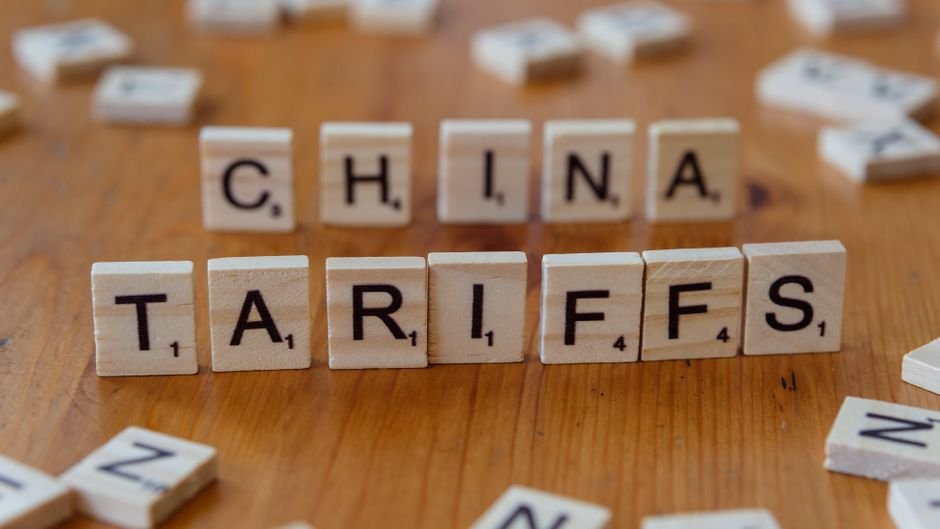
The U.S. House of Representatives has passed a sweeping sanctions bill that authorizes President Donald Trump to impose tariffs of up to 100 percent on India, China and other countries that continue to purchase Russian oil and gas. The Lindsey O. Graham Sanctioning Russia and Iran Act of 2026 passed the House by a 262-159 vote on Wednesday and now goes to Trump for his signature. This legislation represents a dramatic expansion of executive power to weaponize tariffs as a foreign policy tool, with India emerging as the primary target of these threatened economic measures.
The Legislative Framework
The legislation targets Russia’s leadership, energy sector and vessels allegedly involved in sanctions evasion. However, the bill’s most consequential feature extends far beyond Russia itself. It also gives the president authority to impose tariffs of up to 100 percent on major buyers of Russian oil and natural gas, including India and China, with the aim of reducing their dependence on Russian energy.
Critically, the tariff provision is discretionary. The bill does not itself impose a 100 percent tariff on Indian goods. Instead, it gives the executive branch the authority to levy such tariffs under specified statutory conditions if the legislation becomes law and Trump chooses to invoke that authority. Countries that import under 15 percent of Russia’s energy exports, and those that have made efforts to curb their purchases from the country, may be spared from the tariffs.
India’s Vulnerable Position
India is one of Russia’s biggest oil buyers. In August, crude oil imports from Russia accounted for over 50% of India’s total import volumes. This was the highest share of Russian oil in India’s crude import mix. Russia exported crude at a rate of some 2.47 million barrels daily to India last month, which was a 62.4% surge from a year ago and represented a 50.83% share of total oil imports into the world’s third-largest oil buyer. These numbers explain why New Delhi has become Washington’s primary focus for this sanctions strategy.
From December 2022 through July 2026, China bought roughly 50% of Russian crude oil exports, according to data from the Helsinki-based Center for Research on Energy and Clean Air. India accounted for about 37%, followed by Turkey at 5%. Despite China’s larger absolute volume, India has faced disproportionate criticism and threats from the Trump administration. Trump said on Monday he would raise tariffs on India for buying and selling oil from Moscow, arguing the country doesn’t care about the Ukrainian casualties suffered at the hands of “the Russian War Machine.” Trump added, “India is not only buying massive amounts of Russian Oil, they are then, for much of the Oil purchased, selling it on the Open Market for big profits.”
India’s Defiant Response
New Delhi has not accepted these threats quietly. India’s Ministry of External Affairs said the purchase of Russian oil is a “necessity” to “ensure predictable and affordable energy costs” and was once “encouraged” by the U.S. “for strengthening global energy markets stability.” The MEA spokesperson further stated, “In this background, the targeting of India is unjustified and unreasonable.”
The MEA spokesperson further suggested the West is being hypocritical, pointing to trade that the European Union and the United States has continued to do since the war between Russia and Ukraine began. India’s foreign ministry highlighted the ongoing energy and industrial trade between Russia and the West. He pointed out that the EU had goods trade with Russia of £57.38 bn in 2024 in addition to £14.62 bn in services trade the previous year. The US, meanwhile, continued to import Russian uranium for its nuclear sector and palladium for electric vehicles.
The Broader Geopolitical Stakes
The goal: to slash the revenue streams that fund Russia’s ongoing war on Ukraine, which began in 2022. However, the bill’s passage signals a troubling precedent. Rather than relying solely on multilateral sanctions frameworks, the U.S. is now positioning itself to unilaterally punish third countries for their independent economic decisions. That move risks rupturing the United States’ strategic relationship with India, which is one of Washington’s strongest partners in the Indo-Pacific and where two-thirds of the largest US corporations have offshore operations.
For now, India faces the challenge of managing its trade relationship with the US while securing commercially competitive crude supplies. The bill’s passage does not automatically trigger tariffs; it merely grants Trump the authority to impose them. Yet the message is unmistakable: nations that continue purchasing Russian energy face economic consequences, regardless of their other strategic partnerships with Washington.
Over the weekend, two Indian government sources told Reuters that India will keep purchasing oil from Russia despite Trump’s threats. This suggests New Delhi views its energy security as a non-negotiable national interest that transcends American pressure. The confrontation underscores a fundamental tension in global trade: whether unilateral economic coercion can reshape the strategic calculations of sovereign nations, or whether such measures will only deepen existing divides and force countries to strengthen alternative partnerships.

Contributor at AskQustion.



Leave a Comment