Warsh’s First Rate Hike Test: What’s Really at Stake in September
September 16, 2026 · by · 4 min read · 12 views
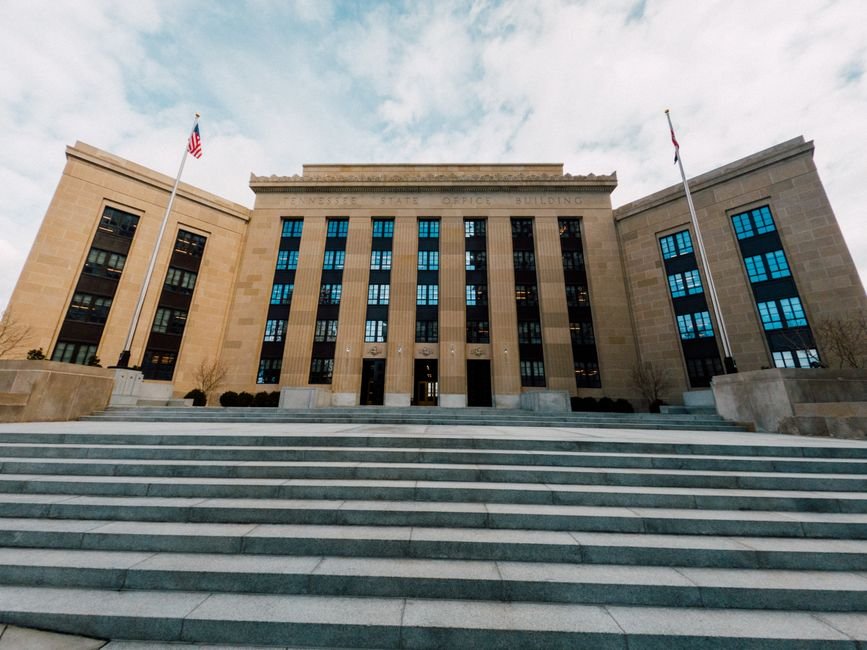
The Federal Reserve under Chair Kevin Warsh faces a momentous decision, with elevated inflation at $100-a-barrel oil creating pressure for the central bank to raise rates. This isn’t just another policy meeting—it marks a critical inflection point for how Warsh will balance his mandate against political expectations and his own stated philosophy of minimal forward guidance.
The Market Consensus Building
Futures traders are pricing in a 93% chance the Federal Open Market Committee will raise the federal funds rate by 25 basis points, moving the target range to 3.75% to 4.00%. If this occurs, it will mark the first rate increase since July 2023, a significant shift from the central bank’s patient stance over the past three years.
The overwhelming market conviction reflects genuine economic tension. U.S. employers added 162,000 jobs in August, exceeding economists’ expectations, while the unemployment rate remained at 4.1%. Combined with stubborn inflation readings, this data creates a textbook case for monetary tightening—despite the political headwinds awaiting any rate increase.
The Political Triangle
Warsh finds himself in an extraordinarily delicate position. He has run the Fed’s rate-setting committee since starting in May, and Trump picked him with the explicit expectation that he would cut interest rates. Yet Trump has said Warsh would like to lower rates but is held back by the policy-setting committee, noting he has a “political board” that wants to keep rates up.
A rate hike under these circumstances could create significant friction. However, Warsh has been adamant about not providing forward guidance, preferring that officials have a “good family fight” over the data at FOMC meetings. This philosophical commitment to discretion becomes tested when the data itself points toward tightening.
What Markets Are Watching Beyond the Rate
The headline rate decision matters less than the messaging. Wall Street will closely scrutinize the Summary of Economic Projections, or “dot plot,” to see where the Federal Open Market Committee expects interest rates and inflation to be over the next year, along with Chair Warsh’s post-meeting press conference.
Warsh will need to walk a fine line in his remarks to provide no forward guidance while answering questions about future rate hikes, with more tightening likely if the Fed goes the hiking route in September. This represents the core challenge: how to raise rates without telegraphing an extended tightening cycle that contradicts his no-guidance philosophy.
The Inflation Anchor
Warsh’s own emphasis on the need to deliver price stability and to pay attention to signals from financial market pricing appears to leave little doubt about what’s next. Earlier in the summer, he said at the Fed’s annual economic symposium that the central bank must be confident that underlying inflation is moving to its objective clearly and at sufficient speed, otherwise “we have work to do”.
This framing—equating inflation control with central bank responsibility—creates an intellectual foundation for action. The markets have seized on these comments as permission to price in rate increases that seemed off the table just weeks earlier.
Where Disagreement Lurks
Not everyone inside or outside the Fed sees the case for hiking as airtight. The Fed historically has looked through the type of trends fueling inflation now, with economists generally agreeing that much of this year’s increase has come from tariffs and an energy supply shock from the Iran war, both of which have uncertain impacts on long-range inflation trajectory.
Some analysts wonder whether the Fed risks tightening policy when the economy shows fragility. If labor market weakness emerges in coming weeks before the decision, or if energy prices reverse sharply, the case for action becomes substantially weaker.
The Real Test Ahead
If the Fed does raise rates, it may not look like a close call in retrospect, with committee members potentially coalescing around a decision to hike to portray unity to the public and the President. This dynamic—where unanimous or near-unanimous votes follow the strongest signal from the chair—has historically characterized Fed decision-making under strong leadership.
Warsh’s challenge extends beyond this single meeting. His tenure has already demonstrated an appetite for rigorous debate and explicit acknowledgment of competing views. How he handles a rate hike while maintaining both intellectual honesty and committee cohesion will set the tone for the rest of his chairmanship. The markets have priced in the rate decision; what remains to be determined is whether Warsh can explain it in a way that preserves his credibility with policymakers, markets, and the public he ultimately serves.

Contributor at AskQustion.

Leave a Comment