A Near-Perfect Eclipse: The August 27-28 Partial Lunar Event
August 28, 2026 · by · 3 min read · 16 views
A deep partial lunar eclipse on August 27-28, 2026, is visible in North America and represents the best lunar eclipse anywhere on Earth until New Year’s Eve 2028. This spectacular celestial event offers skywatchers an extraordinary opportunity to witness a rare phenomenon without requiring special equipment.
The eclipse is nearly total, with 96% of the moon within Earth’s dark umbral shadow at mid-eclipse. People in Africa, Europe, most of the Americas and the eastern Pacific Ocean will see a deep lunar eclipse overnight on August 27-28, 2026. This wide visibility window means millions of people around the globe have the chance to observe this remarkable event from their own locations.
Understanding what causes a lunar eclipse helps enhance the viewing experience. A lunar eclipse occurs when the Moon moves into Earth’s shadow, causing the Moon to be darkened. During this specific event, at the moment of greatest eclipse, 96.3% of the Moon’s disk is within Earth’s umbra, the central part of the shadow where the Sun is completely blocked by Earth. The result is a dramatic transformation of the lunar surface’s appearance.
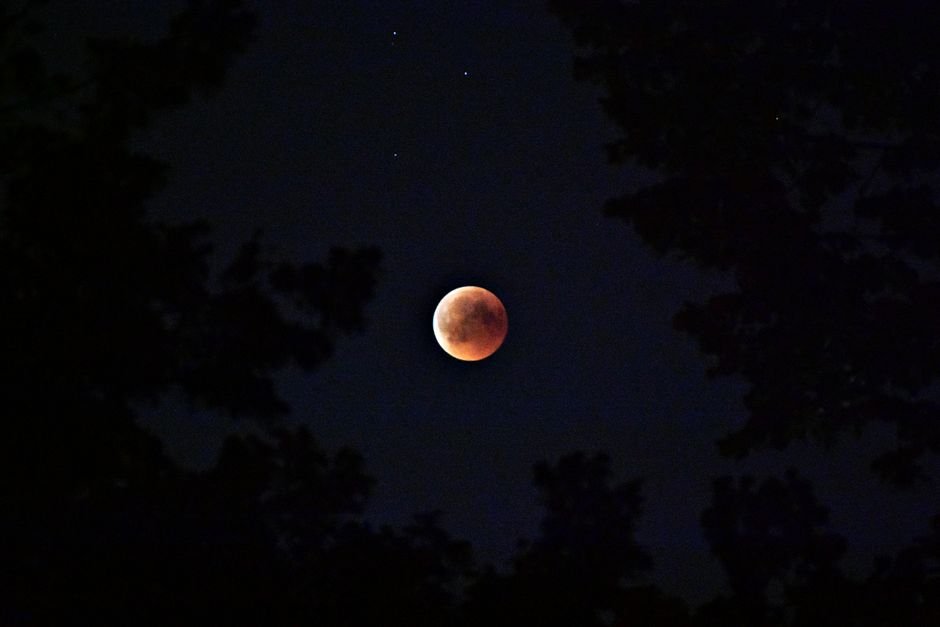
One of the most striking aspects of this eclipse is the color display. At maximum eclipse, 96.2% of the moon will be immersed in Earth’s umbra, the darkest part of our planet’s shadow, meaning only a thin sliver of the lunar surface will remain directly illuminated by the sun, while the rest of the moon will take on a deep reddish-orange hue. Around the time of greatest eclipse, observers should look for a pale, turquoise band between the bright penumbral sliver and the reddened disk, with the hue caused by sunlight filtered by the stratospheric ozone layer, which absorbs red light.
Timing is essential for observers planning to watch this event. From start to finish, the eclipse will last 339 minutes, and the moon will be in Earth’s dark shadow during the partial phases of the eclipse for 199 minutes. In the United States, the eclipse is visible on Thursday night, August 27, and lasts until just after midnight even on the West Coast. Those in other regions should check their local times, as in the UK, it takes place before dawn on Friday, August 28.
The visibility across different regions varies significantly. The Americas get the best overall view, while Europe and Africa see the eclipse close to moonset. For those in favorable locations like the western United States and northern Chile, viewing conditions statistically offer the best odds of clear skies.
Unlike solar eclipses, lunar eclipses require no special eyewear. No eclipse glasses or special filters are needed. Simply step outside at the appropriate time and look up at the night sky. This accessibility makes lunar eclipses perfect for casual observers of all ages to enjoy together.
With nearly 96% of the moon entering Earth’s shadow, this event sits at the boundary between partial and total eclipses, making it an exceptionally rare and visually impressive occurrence. Whether you’re an experienced astronomer or simply curious about the cosmos, the August 27-28 partial lunar eclipse provides a memorable opportunity to connect with the celestial dance of our solar system.

Contributor at AskQustion.




Leave a Comment